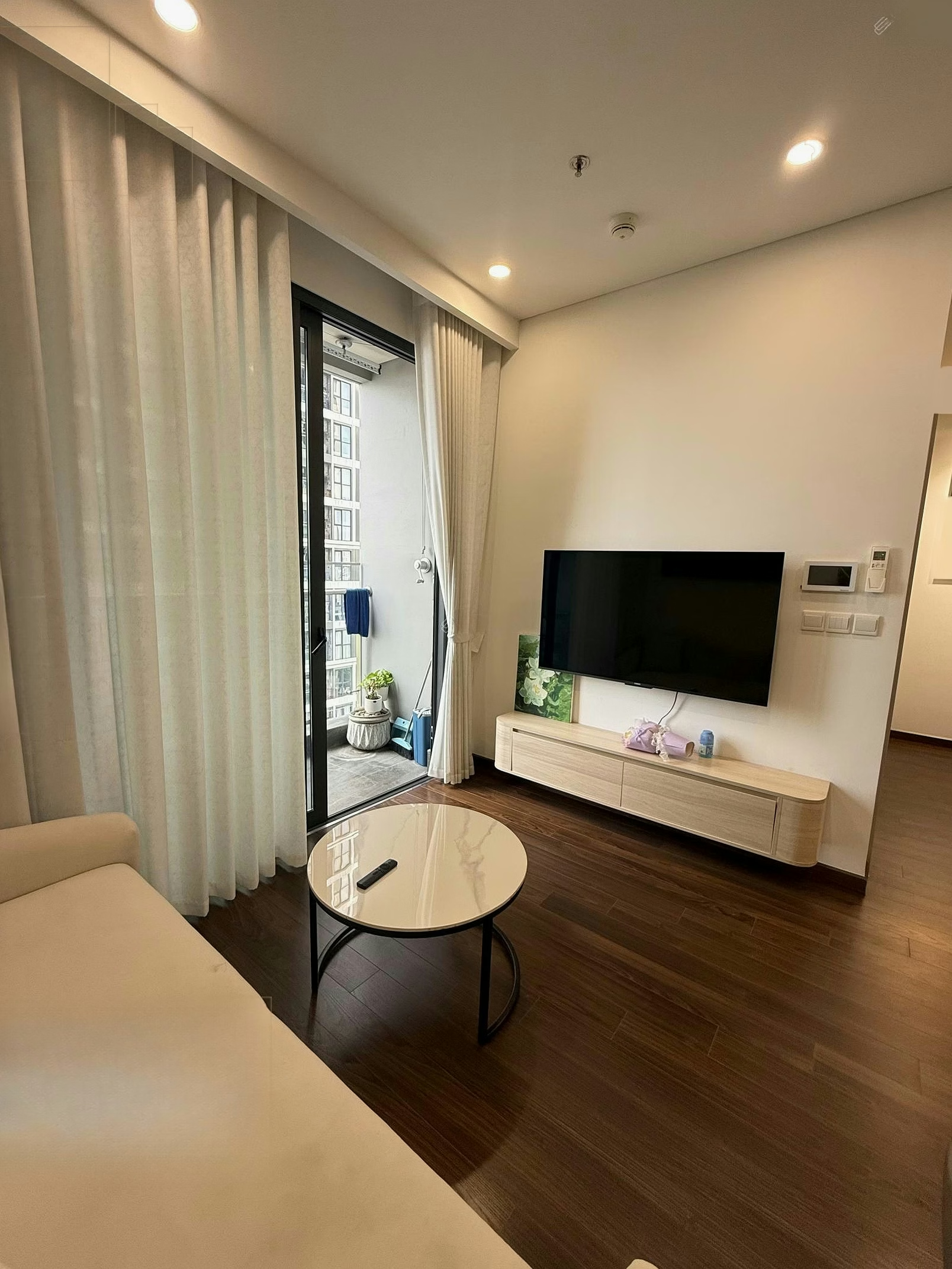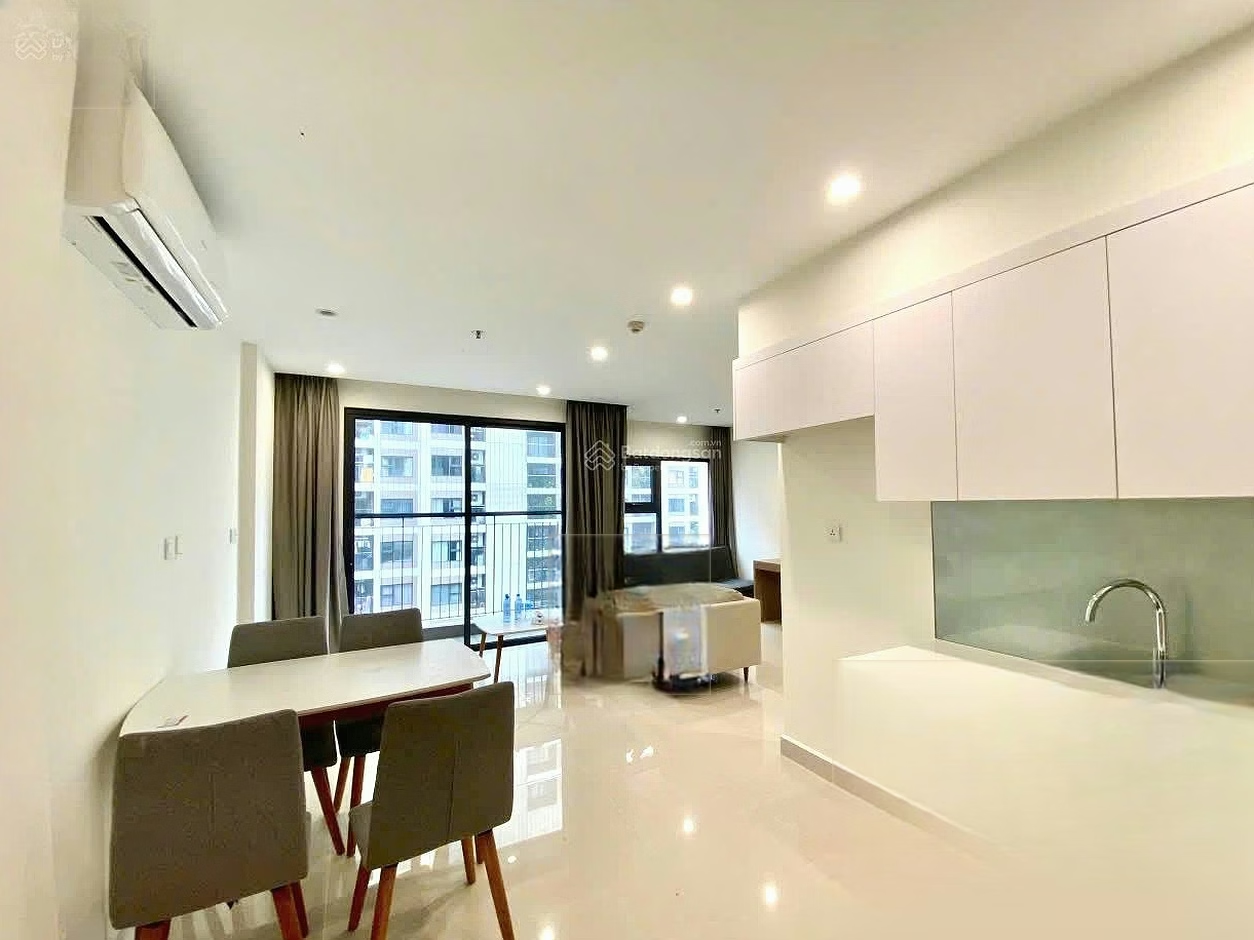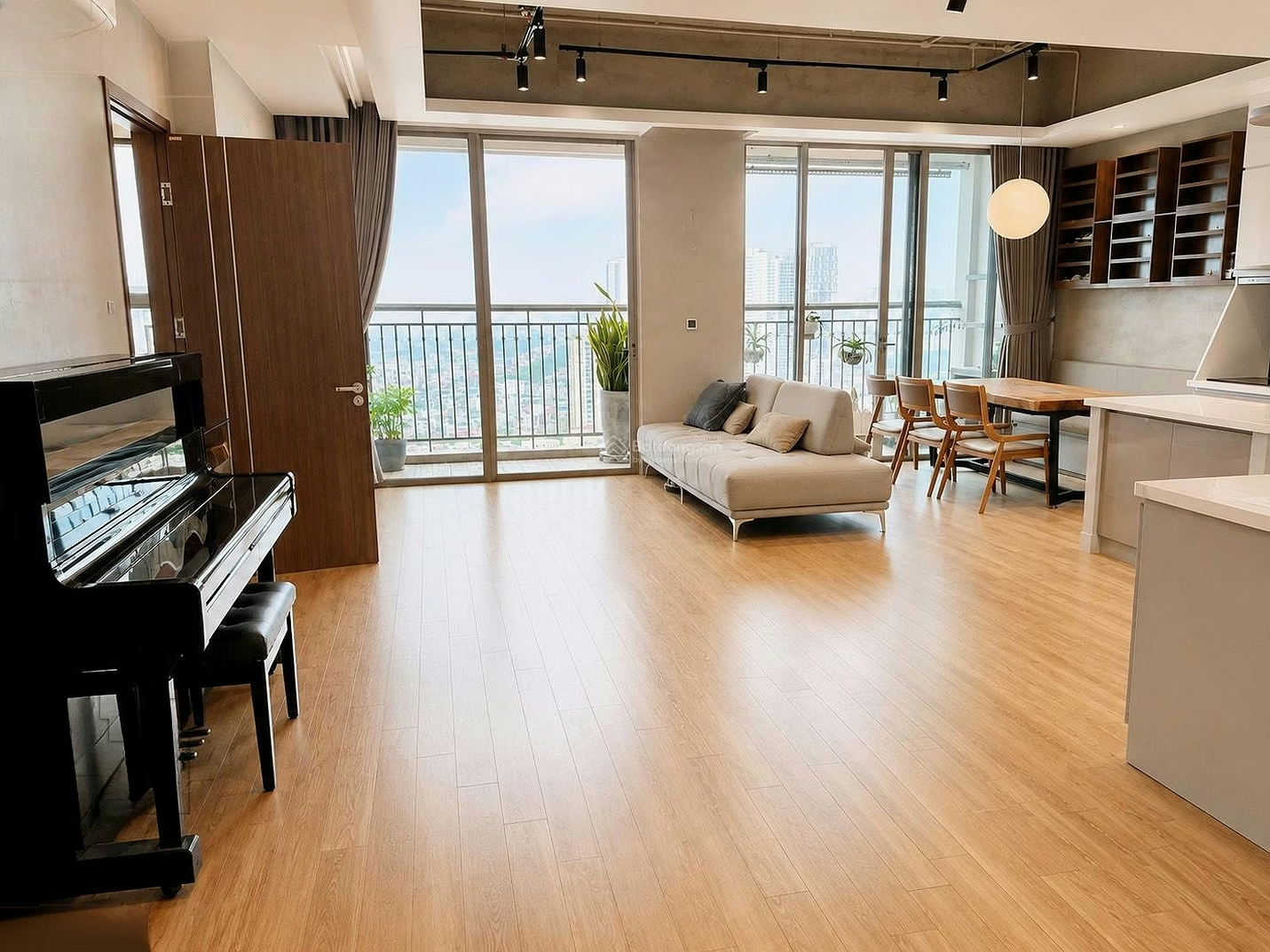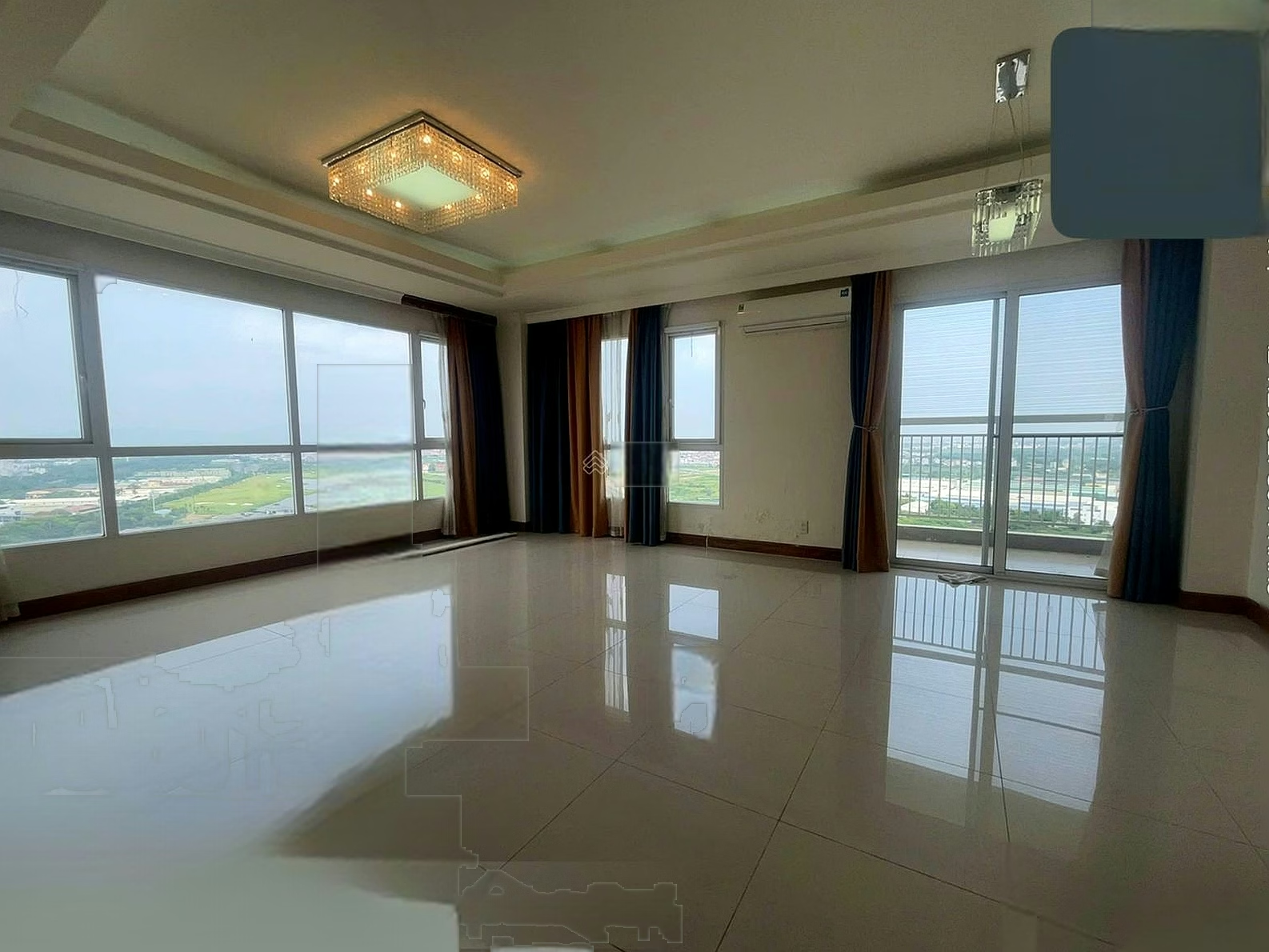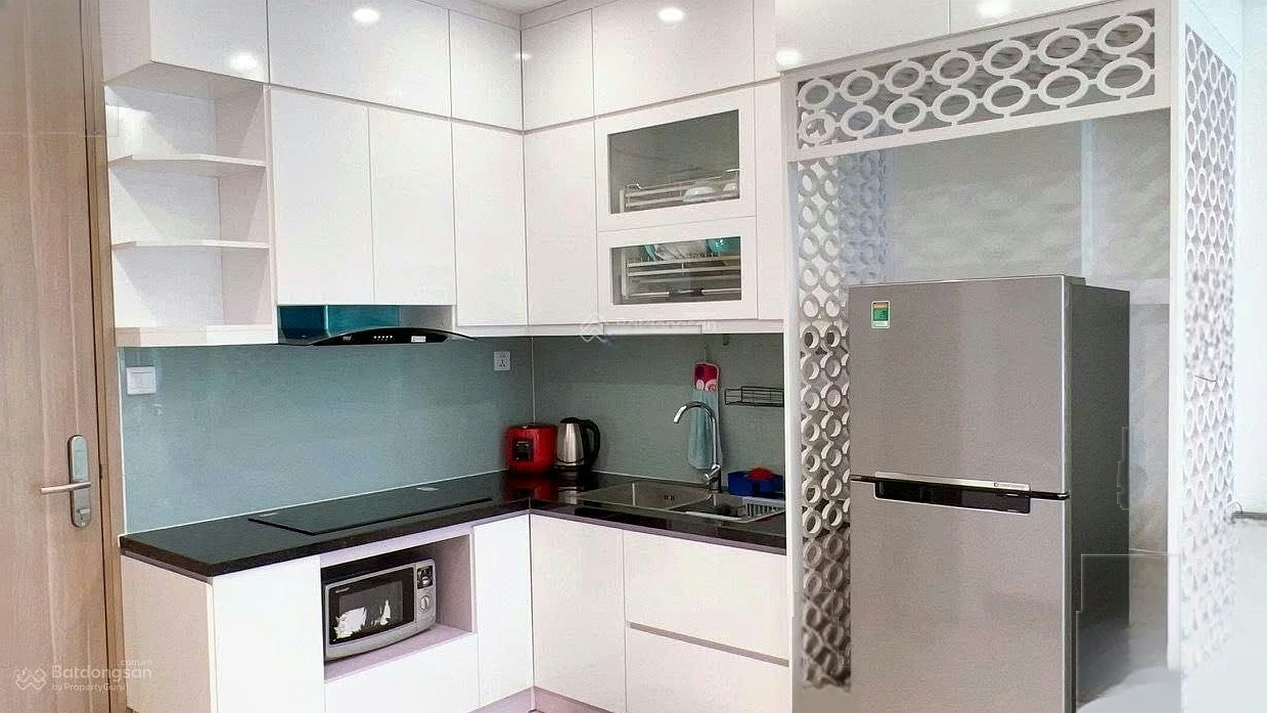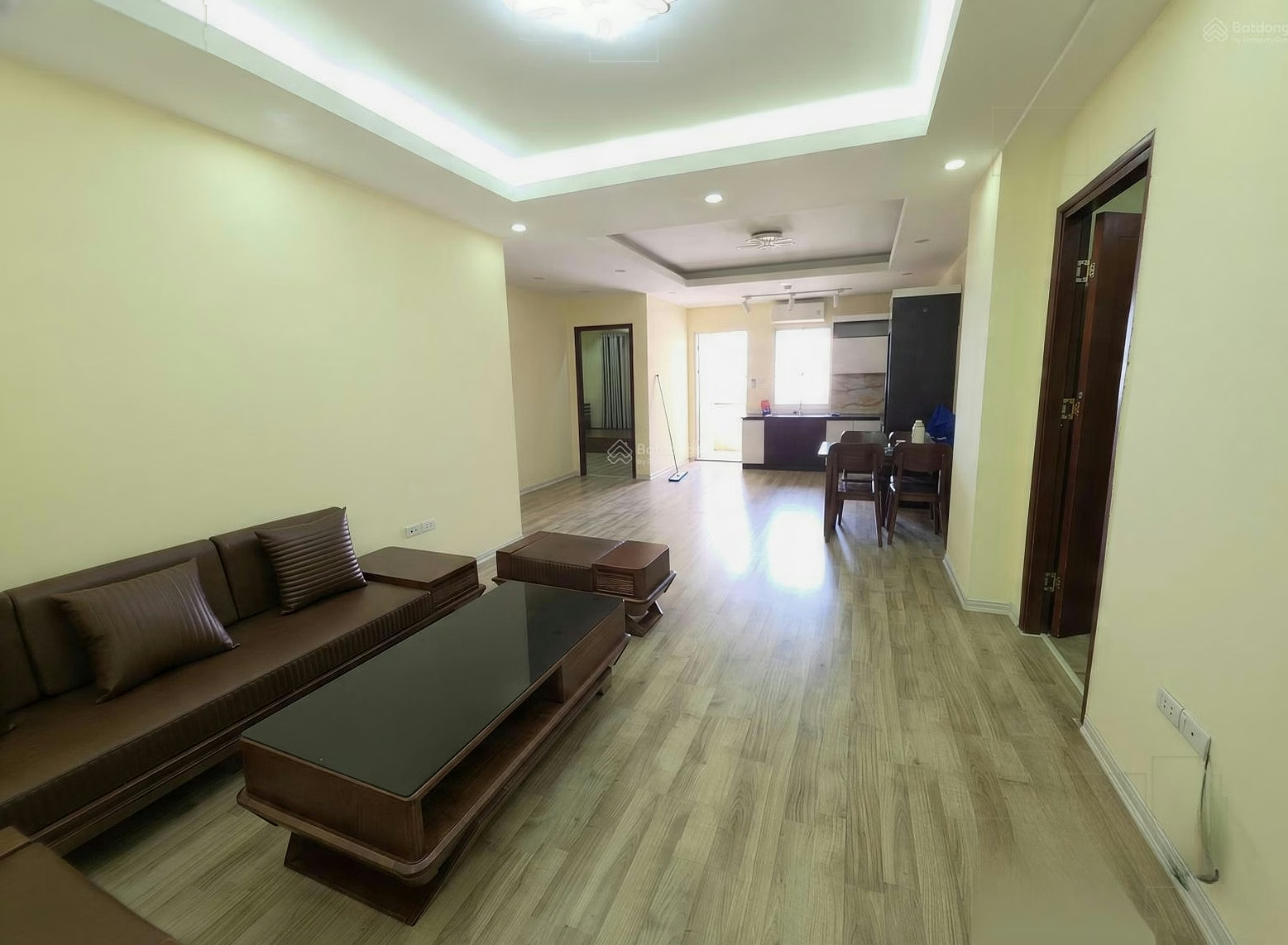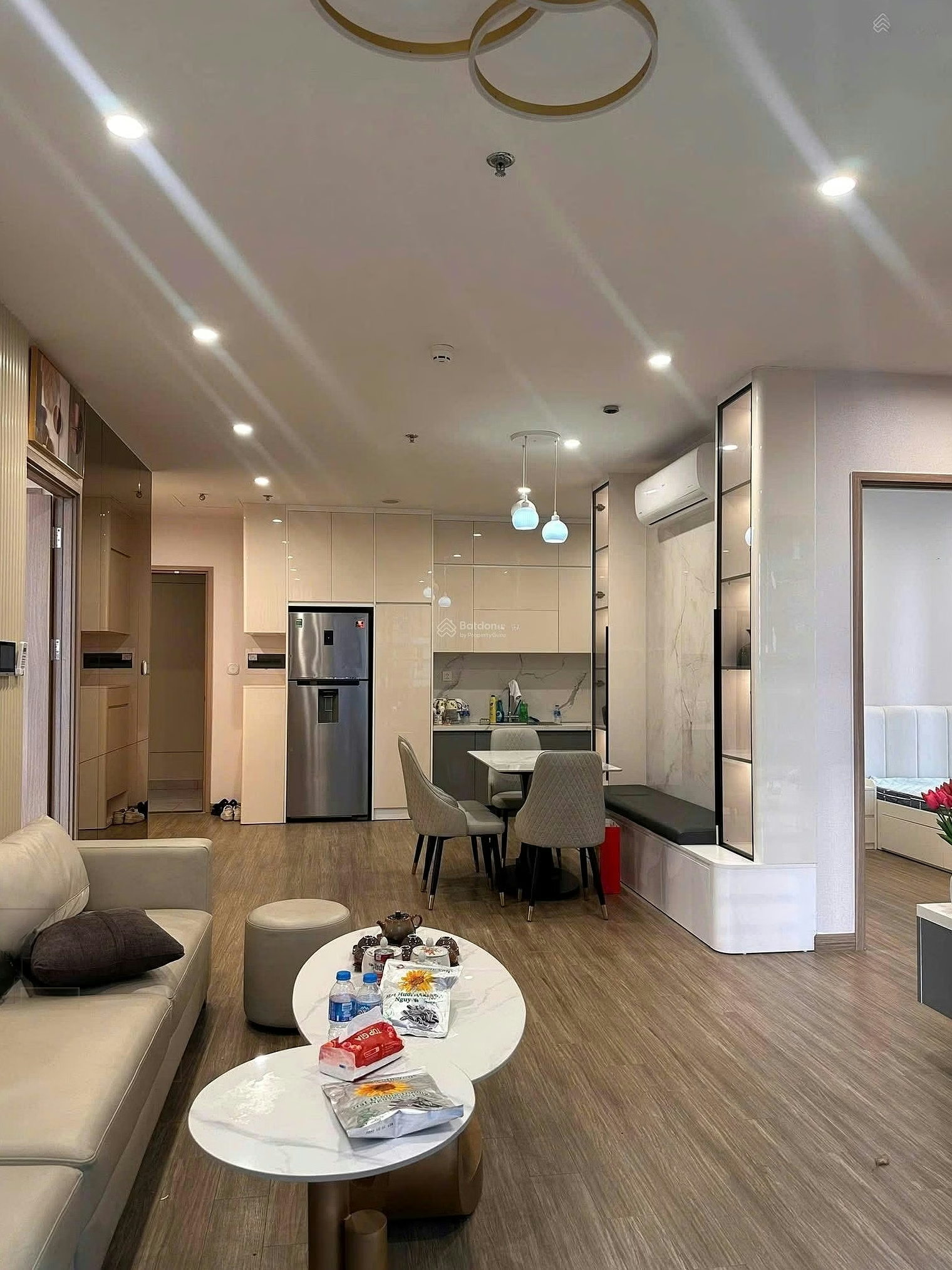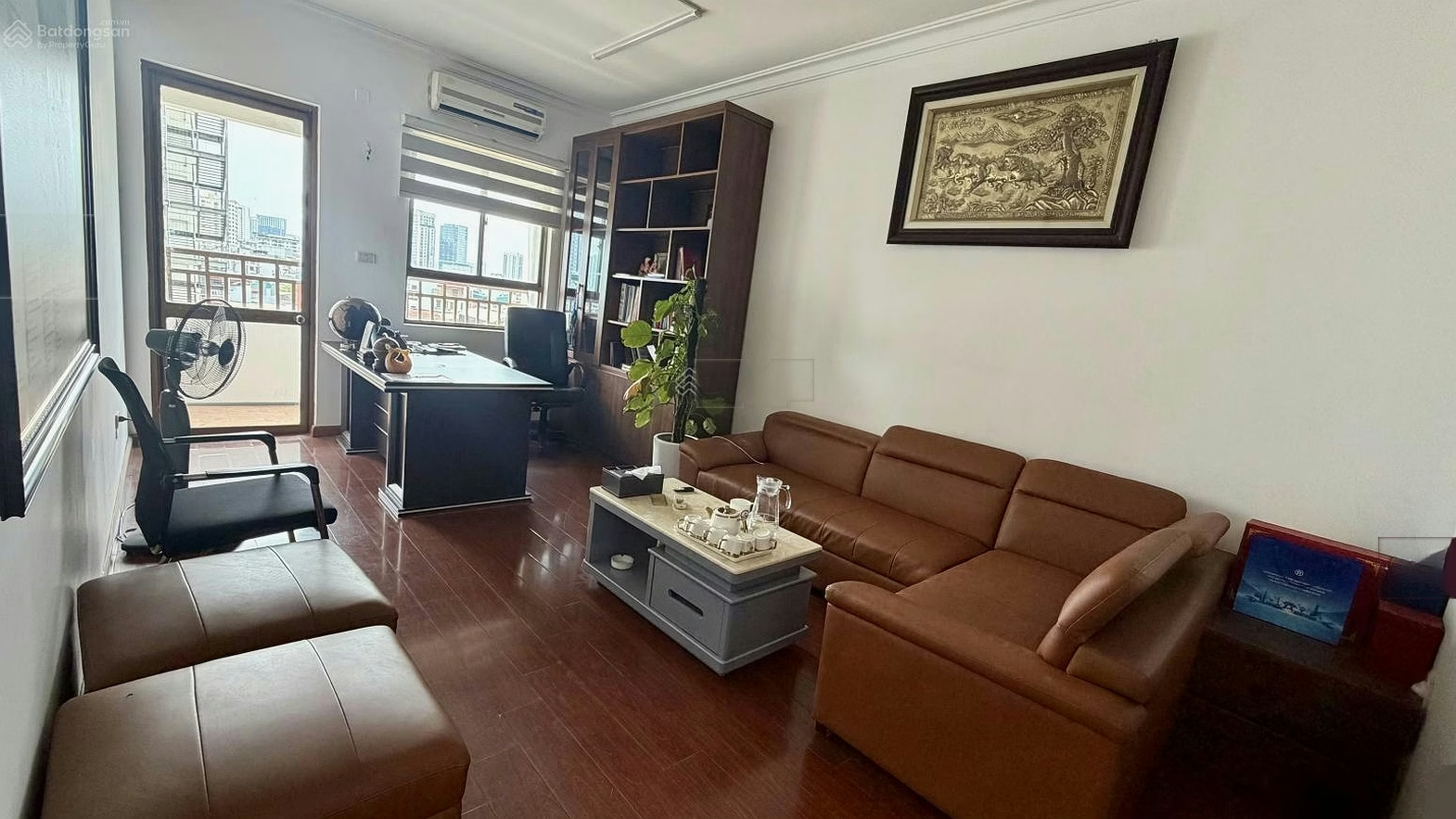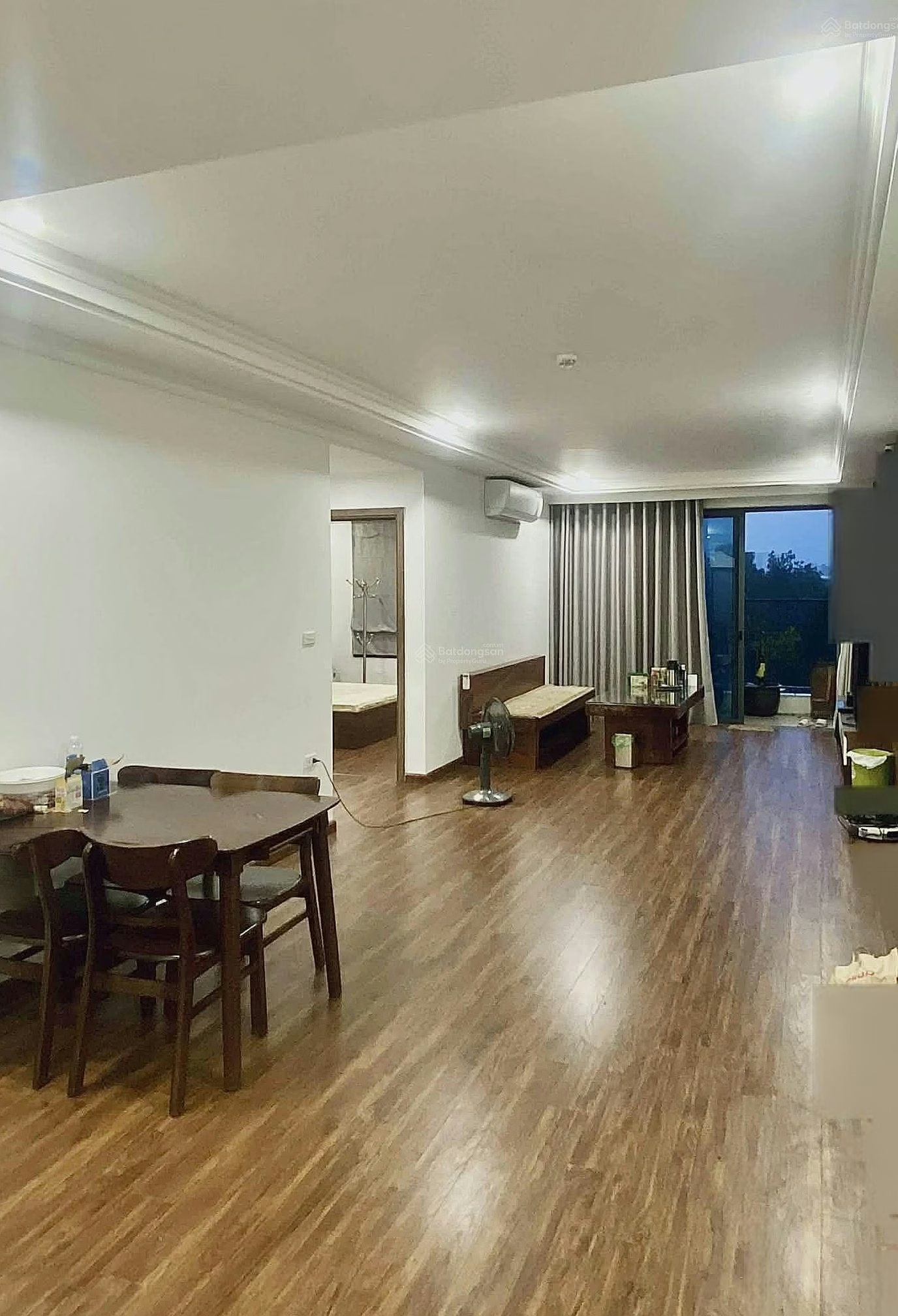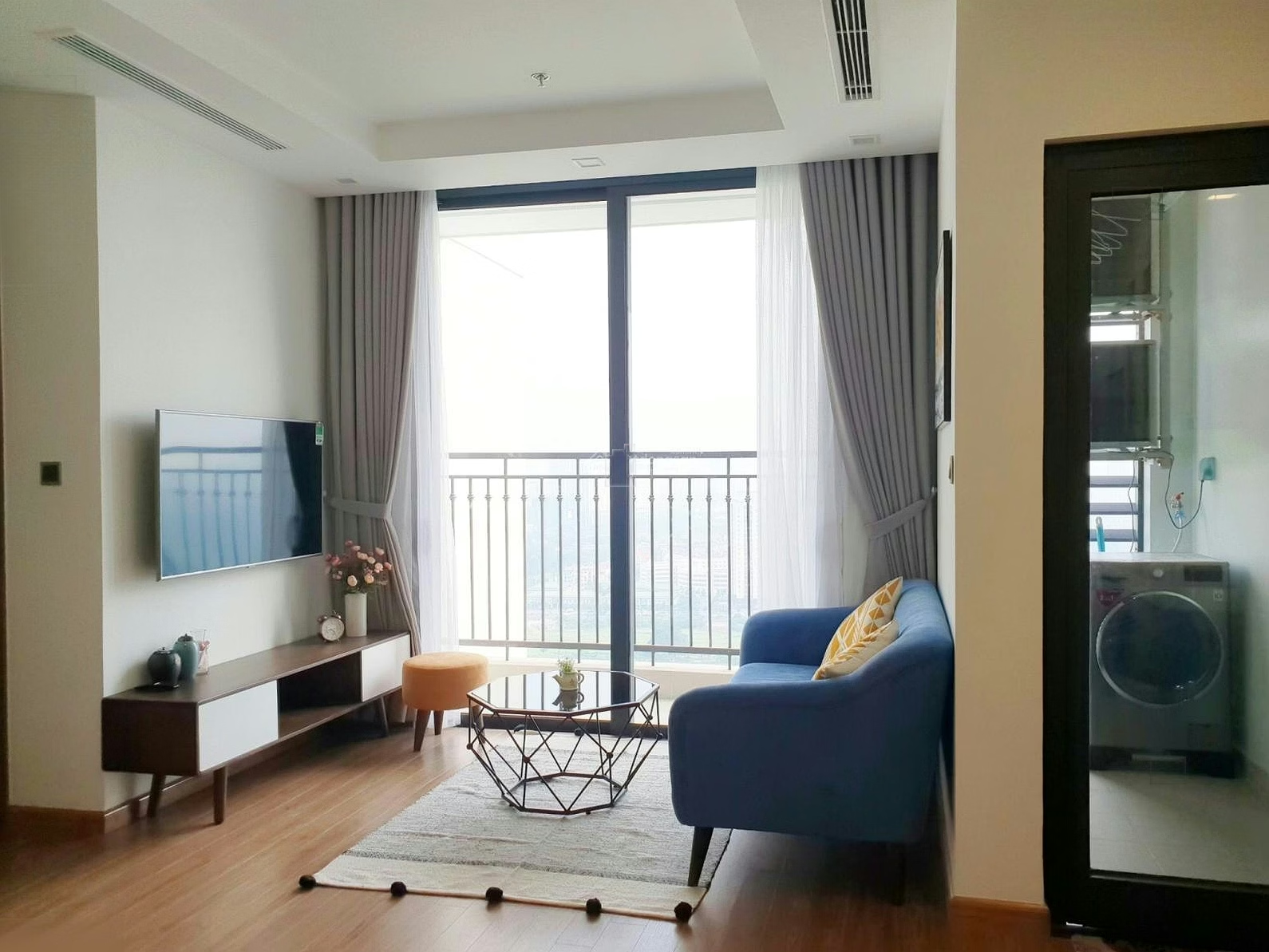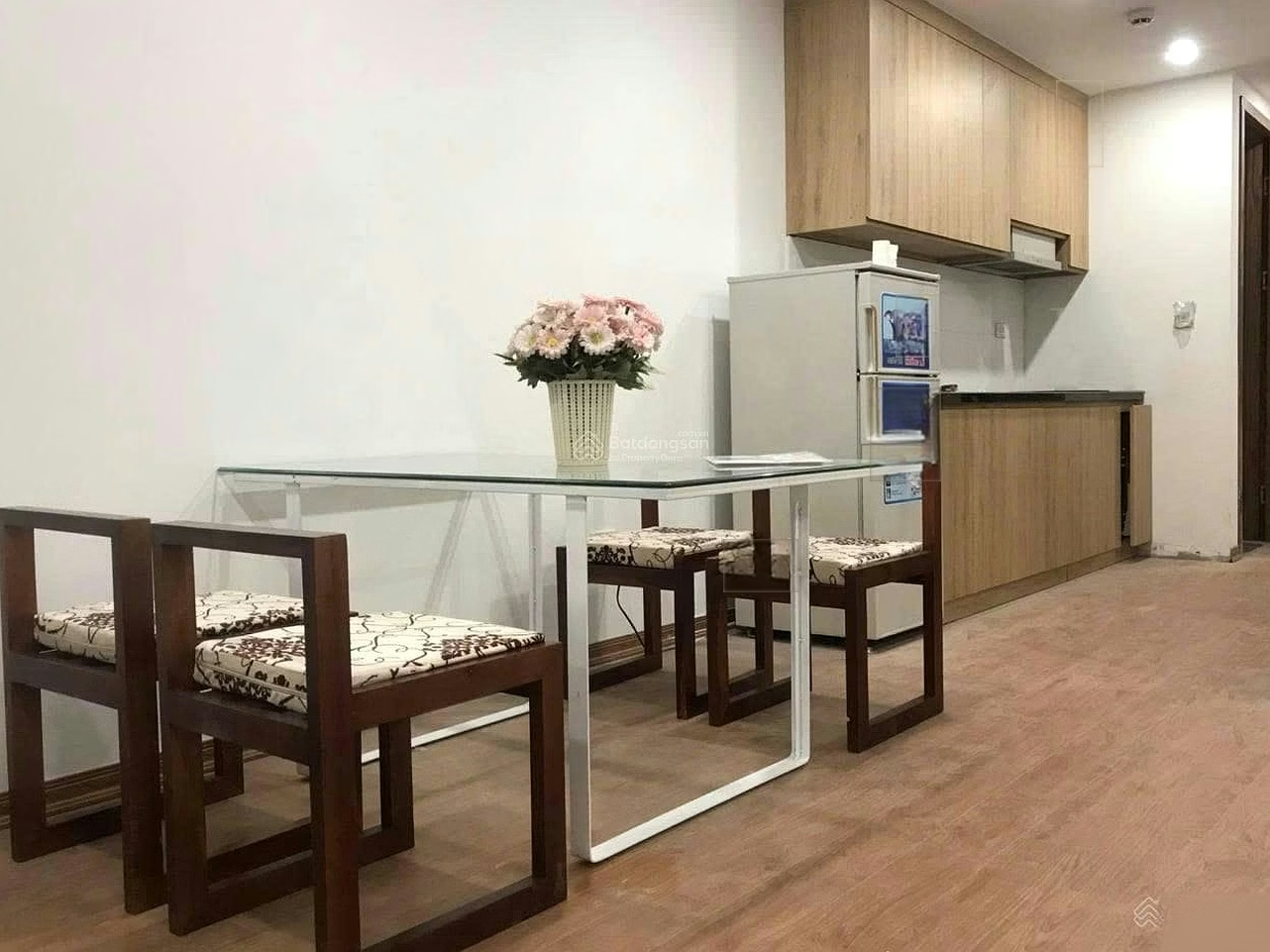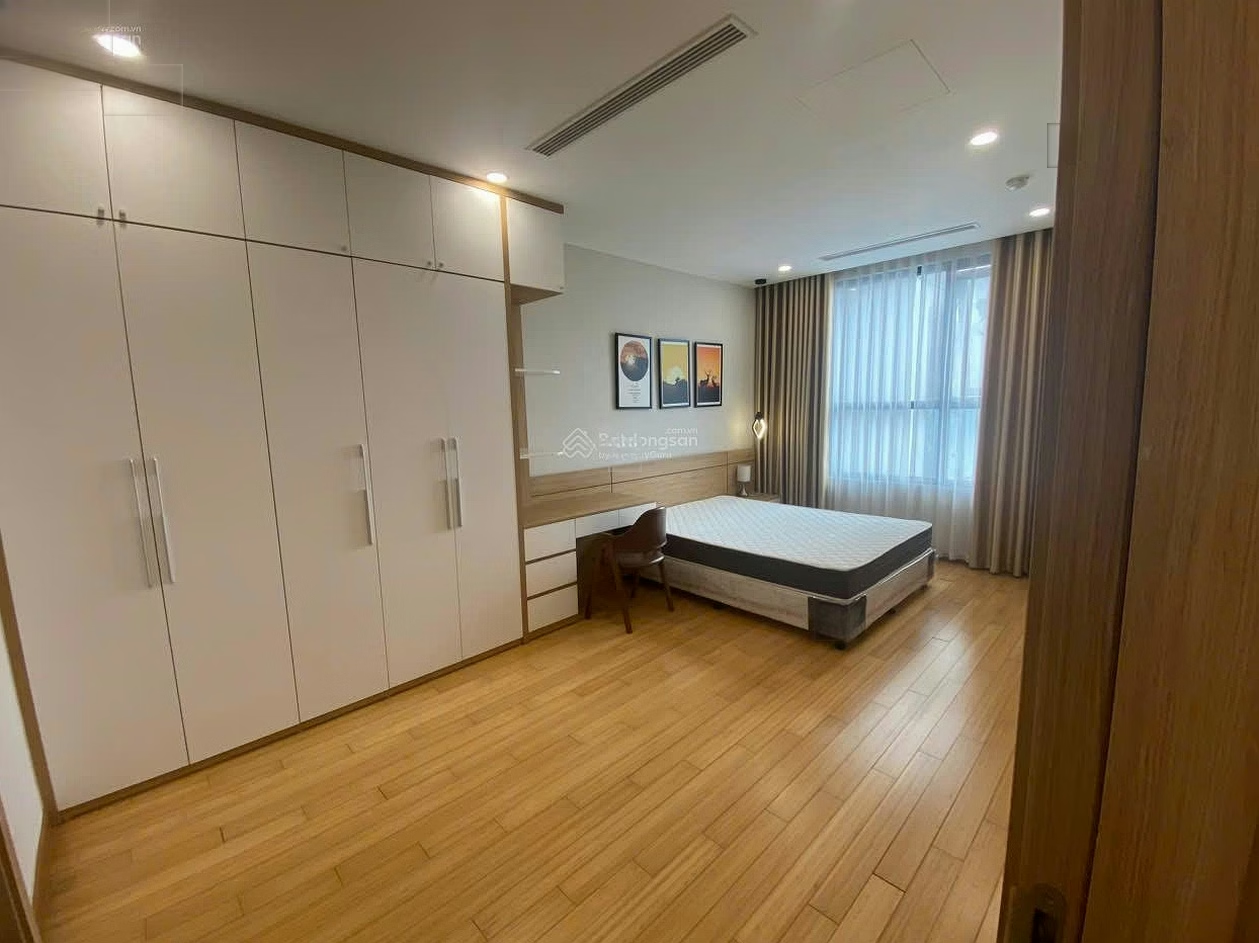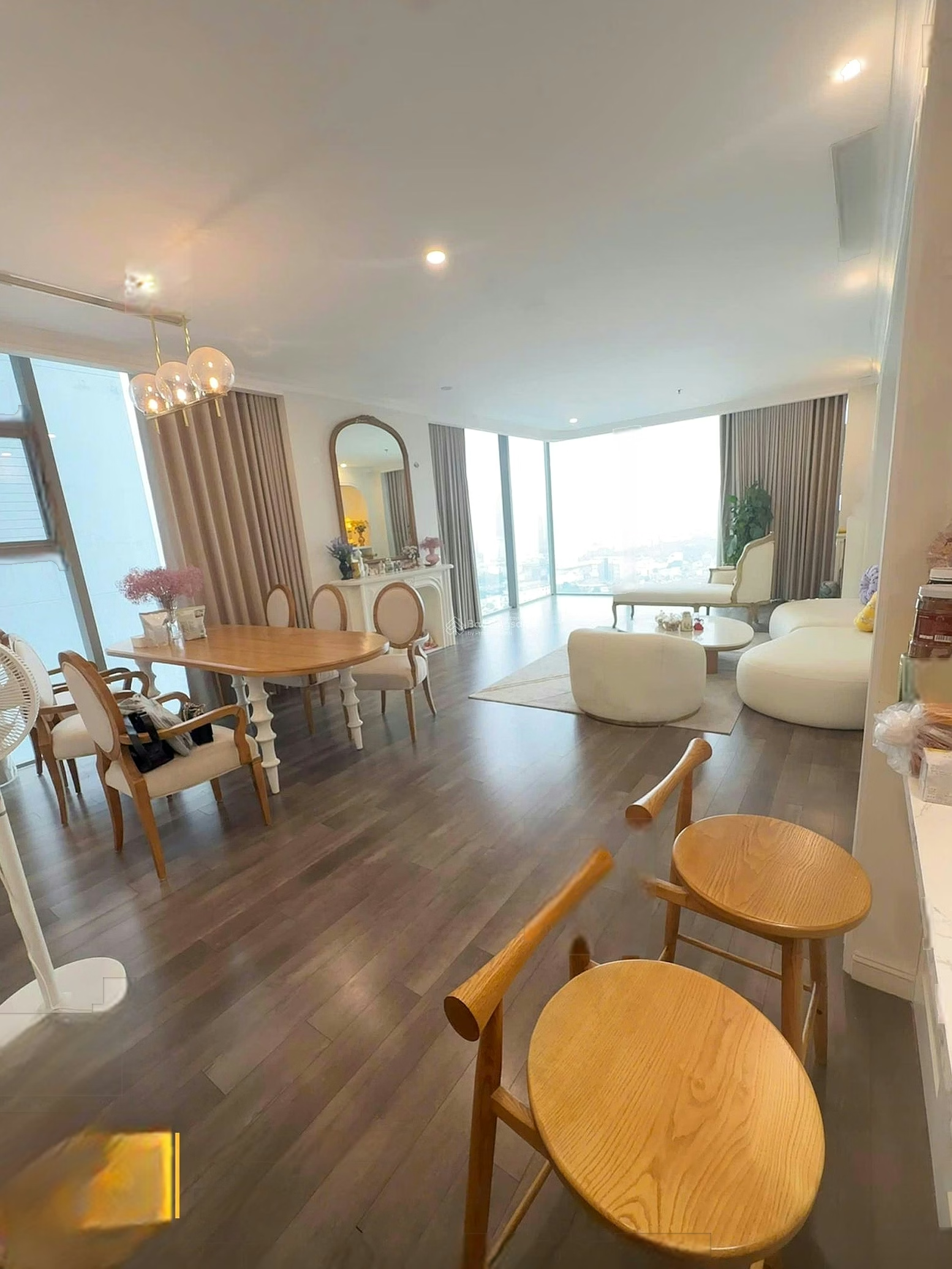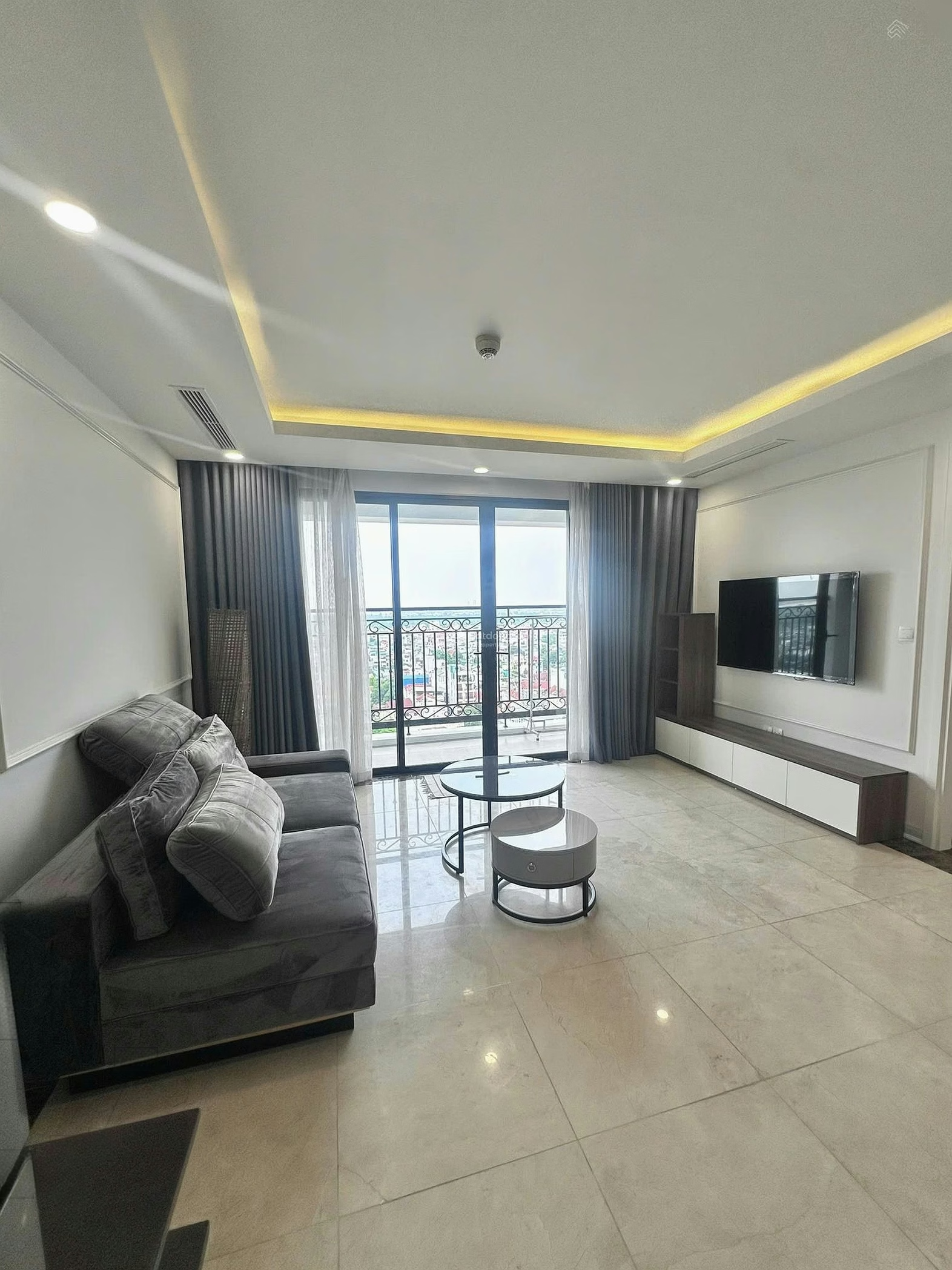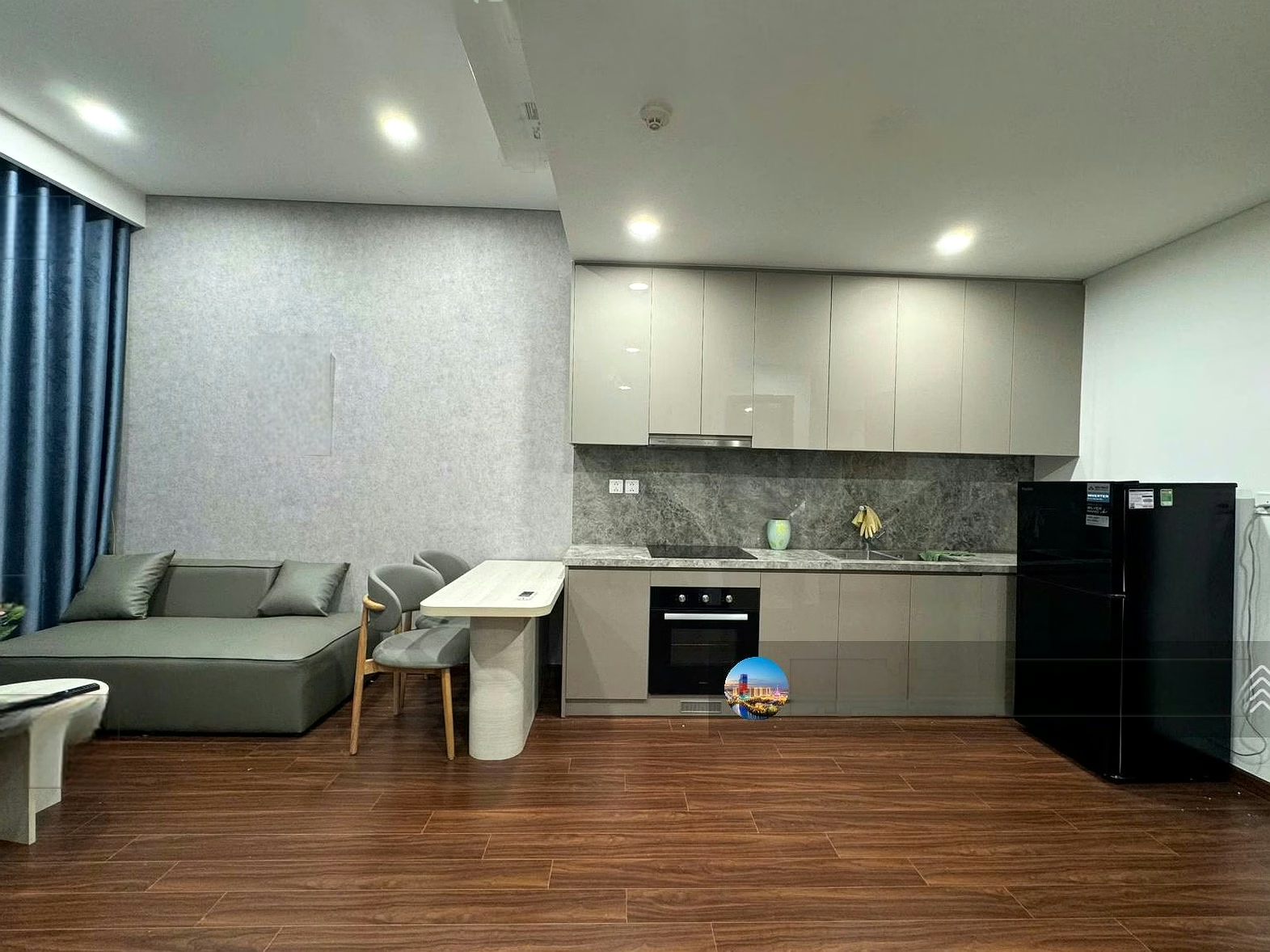

Hanoi Properties (1120 listings)
Vietnam's historic capital — 1,000 years of culture meets modern living
Hanoi is Vietnam's political capital and second-largest city, blending ancient temples and French colonial boulevards with a rapidly modernising urban core. The city has four distinct seasons, a rich food culture, and a growing expat community. Property prices are lower than Ho Chi Minh City on average, making it an attractive entry point for investors, while premium districts like Tay Ho (West Lake) command top rents.
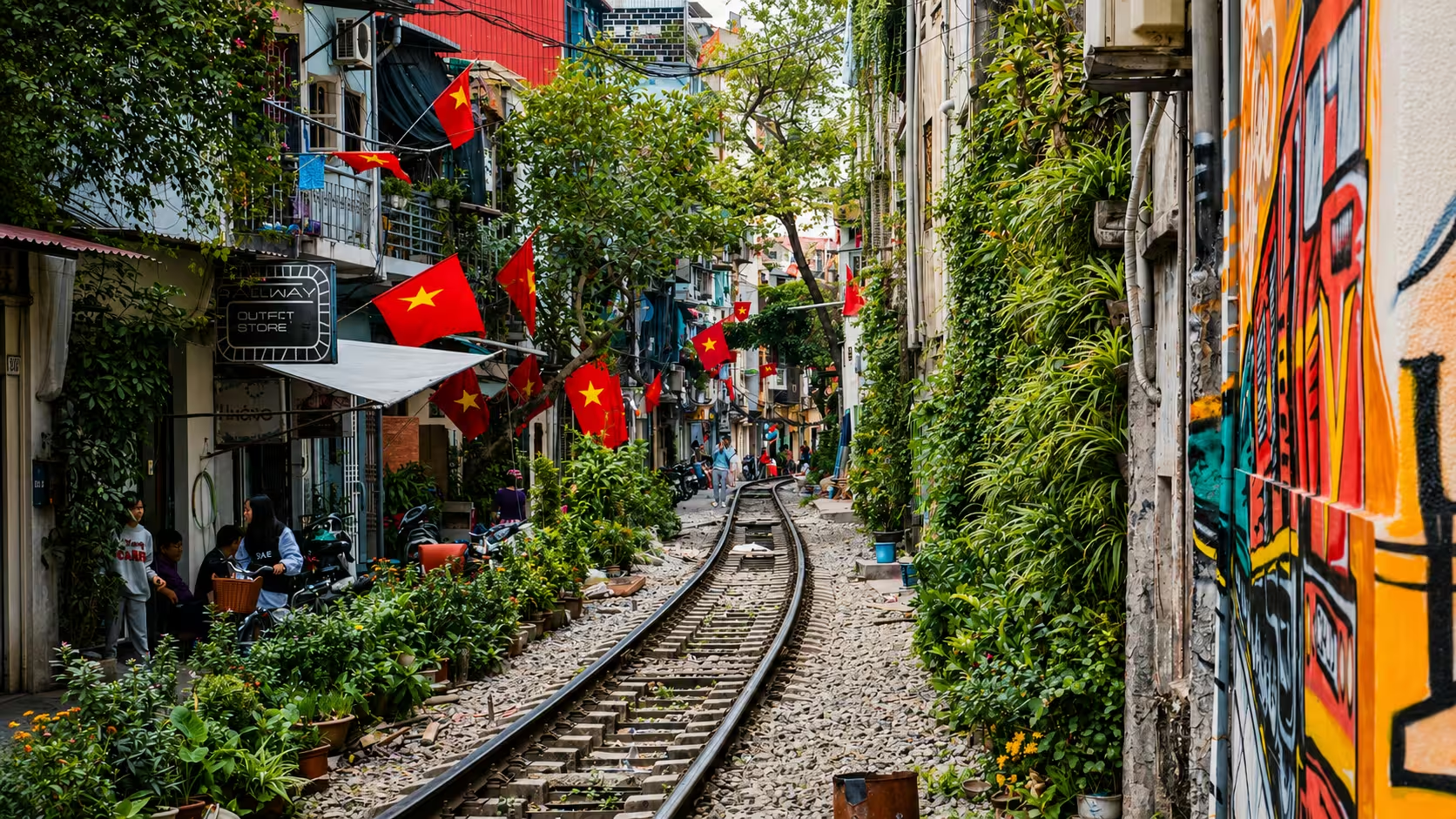
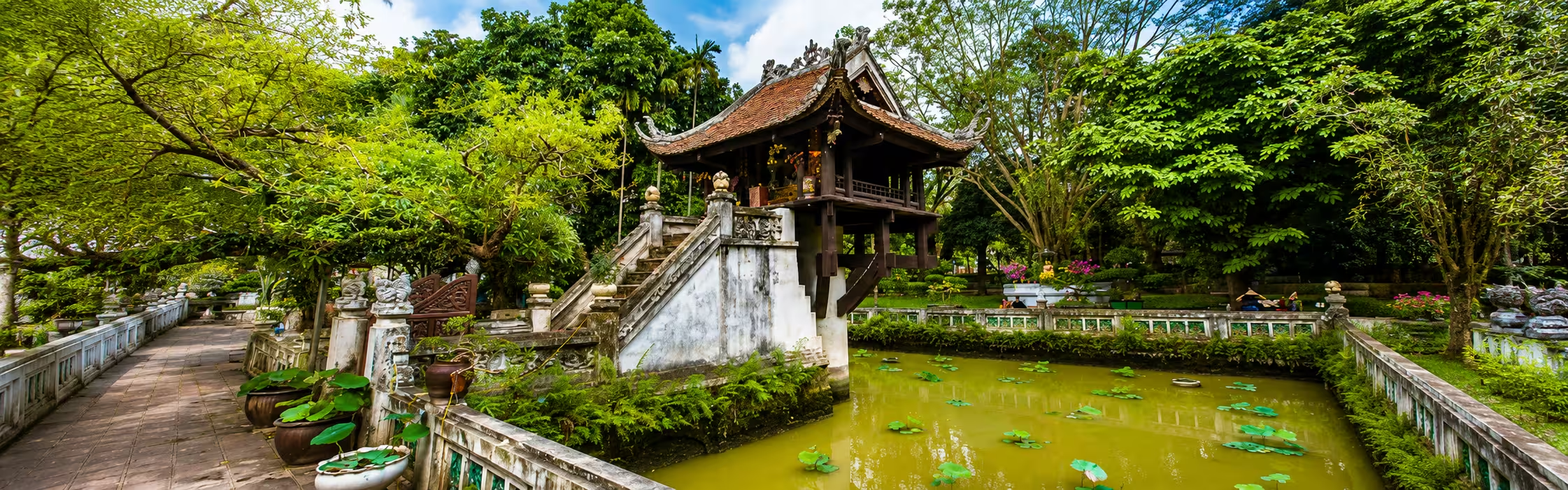
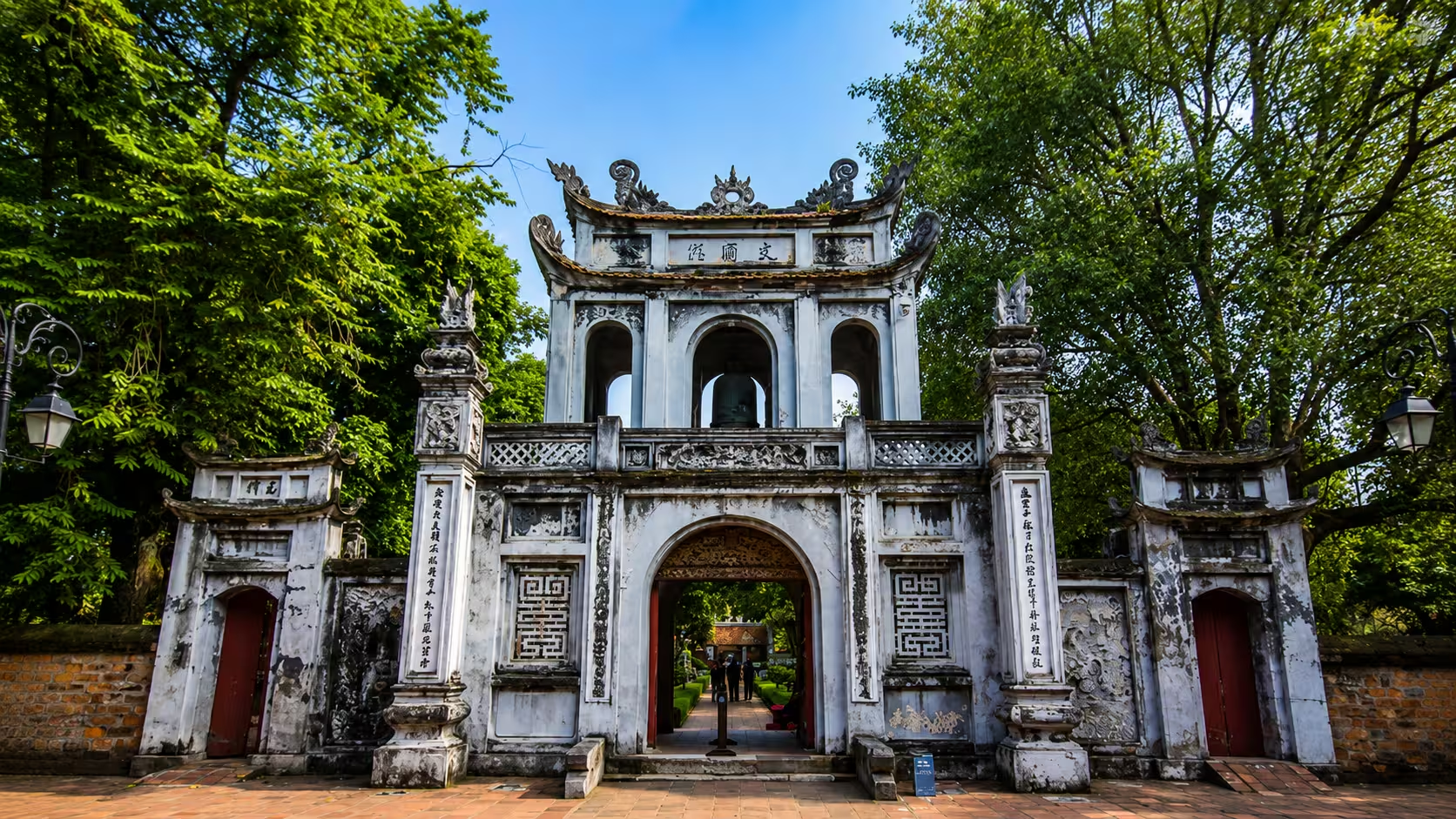
Hanoi is Vietnam's political capital and second-largest city, blending ancient temples and French colonial boulevards with a rapidly modernising urban core. Walk through the Old Quarter at dawn and you'll find women balancing baskets of fruit on bicycles past thousand-year-old pagodas; by evening, the same streets are lined with craft coffee shops, rooftop bars, and a steady stream of motorbikes weaving past glass-fronted office towers.
Few cities in Southeast Asia layer history and momentum quite so visibly, and that contrast is part of what makes Hanoi such a compelling place to live, work, and invest.
Hanoi's character comes from over a thousand years of continuous habitation. The Old Quarter's narrow streets still follow the medieval guild pattern, each named for the trade once practiced there — silk, silver, tin.
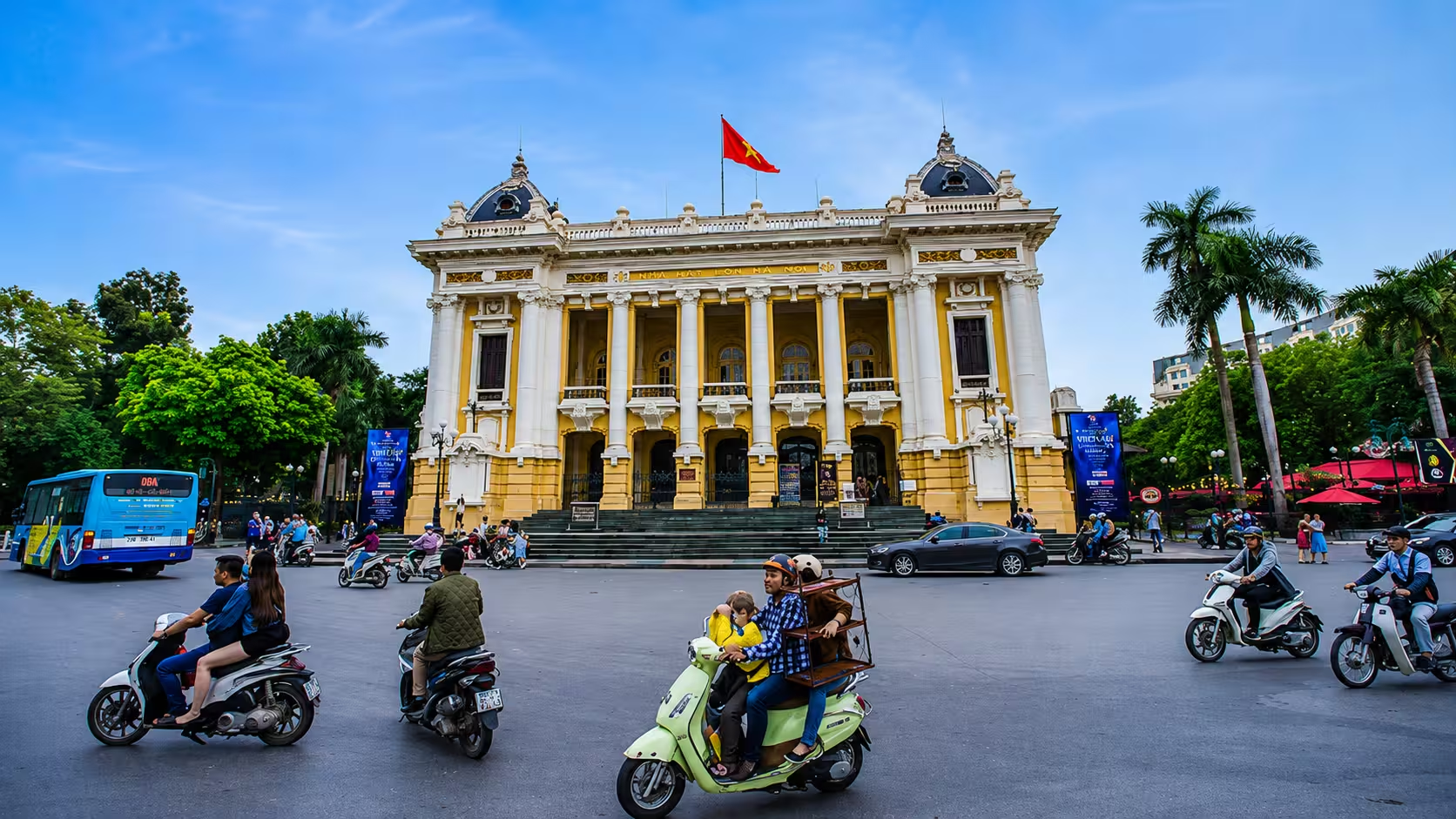
French colonial rule left behind wide tree-lined avenues, yellow-walled villas, and grand civic buildings around the Hoan Kiem and Ba Dinh districts, giving central Hanoi a distinctly European rhythm despite its unmistakably Vietnamese soul.
In recent decades, that historic core has been joined by entirely new districts — Tay Ho, Cau Giay, and the riverside developments along the Red River — built for a population that has grown into one of the largest urban centres in mainland Southeast Asia.
Today Hanoi is home to roughly 8.4 million people, a number that continues to climb as young professionals migrate from the surrounding provinces and as international businesses establish regional offices in the capital. The result is a city that feels lived-in and historic in its centre, while expanding rapidly at its edges with new residential towers, business parks, and infrastructure projects.
Unlike the tropical south, Hanoi genuinely experiences four distinct seasons, with temperatures ranging from roughly 5°C to 38°C across the year. Winters (December to February) are cool, grey, and occasionally chilly enough for a light jacket — a novelty for visitors arriving from Ho Chi Minh City or Da Nang. Spring brings mild, often misty weather and the city's famous blooming flower markets.
Summers are hot and humid with frequent afternoon downpours, while autumn — generally regarded as Hanoi's best season — offers crisp air, blue skies, and the fragrance of milk flowers (hoa sua) drifting through the streets. For residents and long-term expats, this seasonal variation is frequently cited as a refreshing change from the relentless heat of Vietnam's southern cities.
Hanoi is widely regarded as the birthplace of much of Vietnam's most iconic cuisine. Pho, in its original northern form, originated here, and the city's street food scene remains one of the most celebrated in Asia — bun cha, cha ca La Vong, banh cuon, and egg coffee (ca phe trung) are all Hanoi specialties best eaten on a plastic stool at a roadside stall.
Beyond the street food, the city has developed a sophisticated dining and café culture over the past decade, with a wave of specialty coffee roasters, craft breweries, and internationally trained chefs opening venues in the Old Quarter, Tay Ho, and the increasingly fashionable Ba Dinh area. For both residents and visitors, food isn't a side note to life in Hanoi — it's one of the primary reasons people fall in love with the city.
Hanoi's foreign resident population has expanded steadily, drawn by diplomatic postings, multinational corporate offices, international schools, and a thriving NGO and education sector. Tay Ho (West Lake) has become the unofficial centre of expat life, offering lakeside running paths, international supermarkets, a dense cluster of international schools, and a social scene built around lakeside cafés and bars.
Compared to the more transient, tourism-driven expat scene found in some coastal cities, Hanoi's foreign community tends to be longer-staying and more professionally rooted — diplomats, teachers, engineers, and corporate transferees who often remain for several years rather than several months.
Hanoi is served by Noi Bai International Airport, located roughly 30–45 minutes from the city centre depending on traffic, with direct connections to major hubs across Asia, the Middle East, and increasingly Europe and North America. The city has also been steadily investing in its urban transport network, including an expanding metro system designed to ease the legendary motorbike congestion of the inner districts.
Combined with Vietnam's broader push to upgrade national highway and rail links to the north, Hanoi's role as the country's administrative and logistical anchor for the north is only strengthening.
For investors, Hanoi's real estate market offers a distinctly different proposition from Ho Chi Minh City. Average property prices in Hanoi sit at roughly 40–100 million VND per square metre, noticeably lower than equivalent properties in the south, which makes the capital an attractive entry point for first-time investors or those looking to diversify a Vietnam property portfolio without committing HCMC-level capital.
Average rental yields land in the 3–5% range, broadly in line with what's typical across Vietnam's major cities, though yields can vary meaningfully depending on district, building quality, and tenant profile.
Pricing varies considerably by area. The Old Quarter and central Hoan Kiem command a premium for their irreplaceable location and tourism-driven short-term rental demand. Newer urban areas such as My Dinh, Cau Giay, and the Red River-adjacent developments offer more modern infrastructure at comparatively accessible prices, appealing to local upper-middle-class buyers and young families.
Sitting clearly above the rest, however, is Tay Ho (West Lake) — Hanoi's top district for both lifestyle and rental performance. With its lakeside setting, concentration of international schools, embassies, and a built-in expat tenant base willing to pay for quality, Tay Ho consistently commands the city's highest rents and remains the most sought-after address for both residents and investors targeting the expat rental market.
Hanoi tends to appeal most to those drawn to a city with genuine seasonal change, deep cultural roots, and a slower, more deliberate pace than the south's commercial hustle. It's a strong fit for long-term residents, families prioritising international schooling, and investors seeking lower entry costs with steady — rather than speculative — returns.
For those weighing it against Ho Chi Minh City or the coastal markets of Da Nang and Nha Trang, Hanoi's case rests less on rapid appreciation and more on affordability, stability, and the enduring appeal of a capital city that has been continuously inhabited, and continuously reinventing itself, for over a thousand years.
| Metric | Detail |
|---|---|
| Population | 8.4 million |
| International Airport | Noi Bai Intl |
| Avg. Price/m² | 40–100M VND |
| Rental Yield | 3–5% avg |
| Climate | 4 seasons, 5–38°C |
| Top District | Tay Ho (West Lake) |